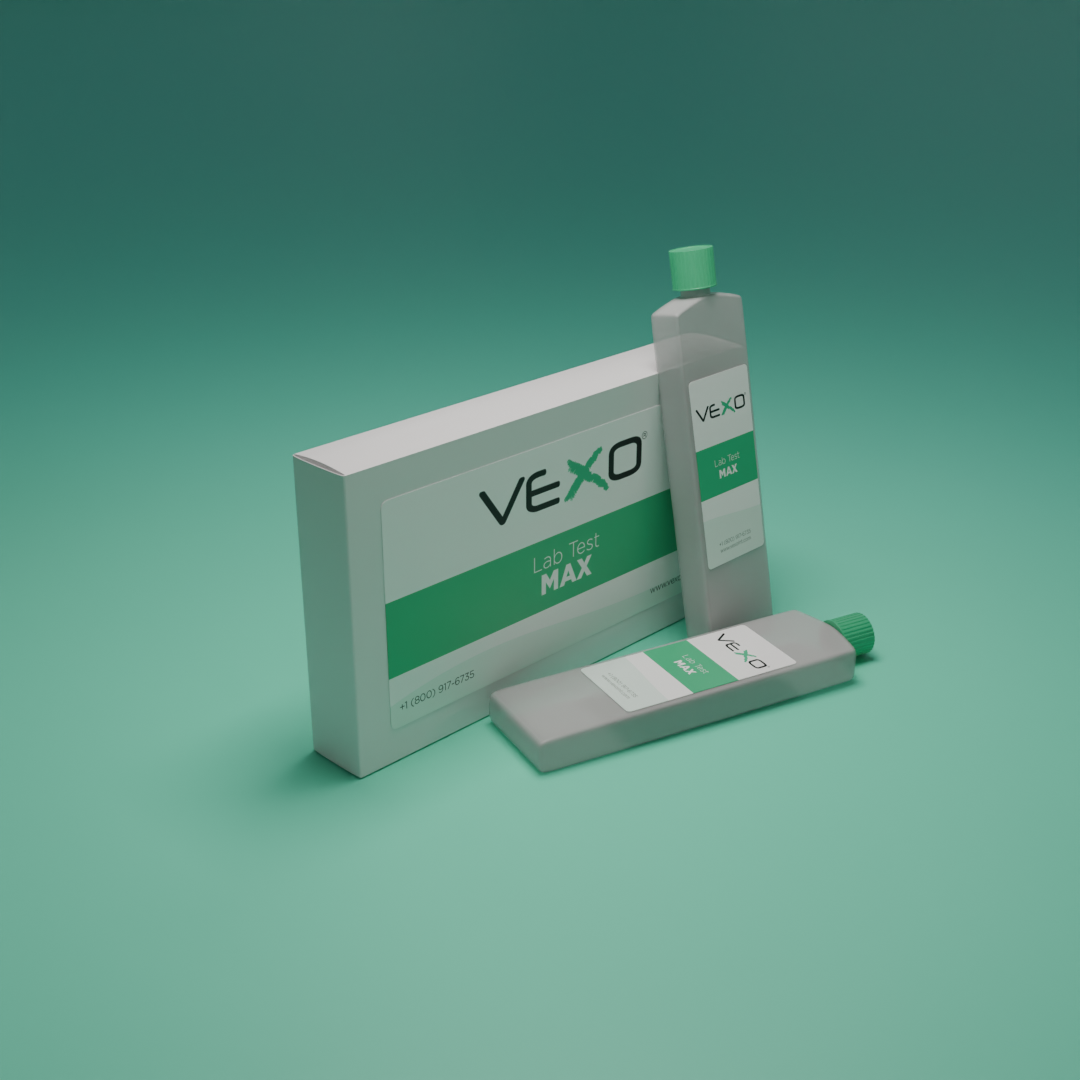
The Max Lab Test is the most complete option, providing the widest scope of analysis for closed-loop water systems. It covers everything in the Pro package and extends testing to include metals, advanced inhibitor profiling, and detailed glycol stability analysis, delivering the highest level of insight and assurance for system health.
Please note: all samples must be returned by post at the customer’s own cost. This is not included in the test price.
| Max Lab Tests | Purpose |
| Glycol concentration | Checks antifreeze levels and protection against freezing |
| pH | Measures acidity/alkalinity of system water |
| Conductivity | Assesses ion concentration – high levels indicate contamination or over-treatment |
| Iron (soluble and total) | Detects corrosion activity, pipe or component wear |
| Aluminum | Identifies corrosion risk in aluminum components |
| Phosphate (ortho) | Monitors levels of phosphate-based corrosion inhibitors |
| Copper (soluble and total) | Identifies copper corrosion or dezincification in brass fittings |
| Chloride | Chloride ions cause pitting – critical for stainless steel systems |
| Hardness (Total) | Indicates scaling risk from calcium/magnesium |
| Nitrite | Common corrosion inhibitor; confirms dosing level |
| Azole | Protects yellow metals (e.g., brass); test ensures active protection |
| Sulfate | Indicates possible scaling or contamination |
| Molybdate | Corrosion inhibitor often used in blends |
| Silica | Can form scale in high-temp systems; can also indicate contamination |
| Freeze point/specific glycol analysis | Determines glycol % and freeze protection temperature |
| Corrosion coupon photo | Visual proof and assessment of long-term corrosion rates |
| Suspended Solids | Fine particles in system water that can clog components, reduce efficiency, and trigger corrosion |
| Deposit analysis | Identifies source, makeup, and risk of sludge or scale in system |